


A small garden does not need to feel cramped. With the right layout, paving and furniture, even a modest outdoor area can provide somewhere comfortable to sit, eat and enjoy the garden without becoming difficult to maintain.
The key is to decide how the space will be used before choosing materials. Thoughtful professional patio design and installation can make a compact garden feel wider, improve access and prevent practical problems such as poor drainage or awkward changes in level.
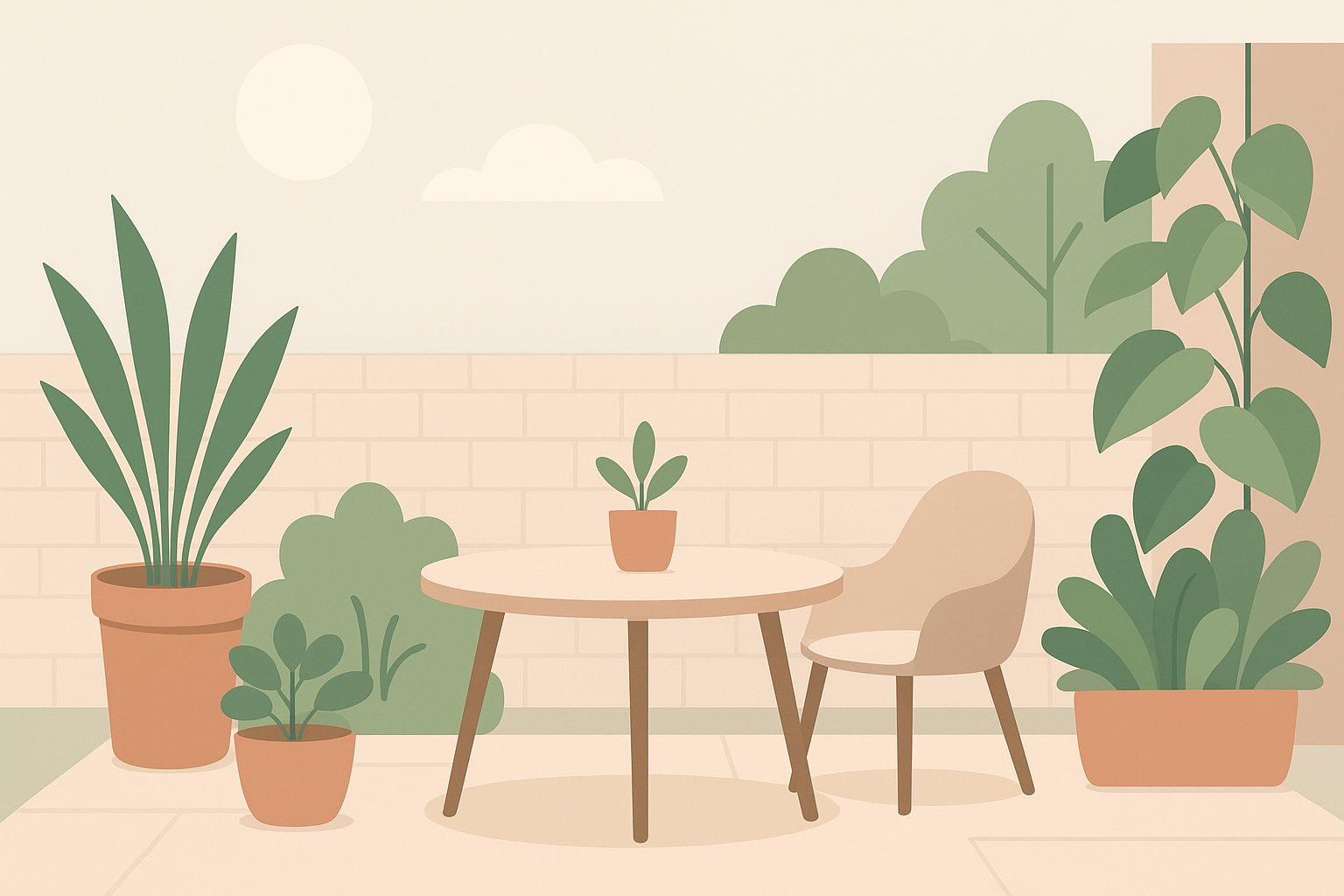
Plan the Space Before Choosing Paving
It is tempting to begin with a paving colour or a photograph you have seen online. In practice, the measurements and layout need sorting first. A beautiful paving slab will not compensate for a patio that is too narrow for the chairs or leaves no sensible route to the shed.
Measure the whole garden
Measure the length and width of the garden, including side passages, steps, doors, drains and inspection covers. Note where the ground rises or falls. On compact plots, a difference of just 200mm can affect whether you need a step, retaining edge or gradual change in level.
Mark fixed features on a simple sketch. Include outside taps, air bricks and rainwater pipes. Air bricks must remain clear and the finished patio should normally sit below the damp-proof course. These details are easily missed when looking at paving samples, but they matter once work starts.
Decide what the patio is for
Be realistic about its main purpose. If you regularly eat outdoors, allow enough room to pull chairs away from the table without placing them on the lawn or against a wall. If the patio is mainly for morning coffee, two comfortable chairs and a small table may be all you need.
- For dining, measure the table and add space around every occupied side.
- For relaxing, prioritise comfortable seating and a pleasant view.
- For entertaining, consider movable stools or a built-in bench.
- For a low-maintenance garden, keep planting areas simple and accessible.
Choose the best position
A patio does not automatically have to sit directly outside the back door. That position is convenient, particularly when carrying food and drinks, but it may be shaded for much of the day. Spend a little time watching how sunlight moves across the garden.
In some gardens, a small paved area at the far end catches the evening sun and feels more private. A path can connect it to the house. This approach may also make the garden appear longer because it encourages the eye to travel through the space.
Space-Saving Patio Ideas
Compact patios work best when each element earns its place. Too many materials, ornaments and separate pieces of furniture can make the garden feel busy. A restrained design usually creates a calmer and more spacious result.
Use paving patterns carefully
Large-format slabs can reduce the number of joint lines and give a clean appearance, although the slab size should suit the patio. Very large units may require excessive cutting in a narrow or irregular garden. A simple stretcher bond or regular grid often works better than an elaborate pattern.
Laying rectangular paving across the width of a long, thin garden can make it seem broader. Running it lengthways draws the eye towards the end. Before installation, set out a few slabs dry to see where cuts will fall around doors, walls and drainage channels.
Consider lighter materials
Light grey, warm buff and soft beige paving reflect more daylight than very dark surfaces. This can help an enclosed garden feel brighter, particularly where fences or neighbouring buildings create shade. Avoid choosing purely from a small indoor sample, as paving can look quite different outside and when wet.
Porcelain is popular because it absorbs little moisture and is relatively easy to clean. Natural stone offers more variation and character but may need sealing depending on the stone and the finish you want. In either case, choose a surface with suitable outdoor slip resistance.
Build seating into the boundary
A built-in bench along a wall or raised bed uses less room than several freestanding chairs. It can also provide storage beneath the seat for cushions, small tools or children’s outdoor toys. Allow enough seat depth to be comfortable and avoid placing the back directly against a damp retaining wall without suitable construction.
Take planting upwards
Vertical planting adds greenery without taking much floor area. Wall-mounted planters, narrow trellis panels and climbing plants can soften fences and draw attention upwards. Choose plants according to the available light rather than appearance alone. A sun-loving climber will struggle on a cold, north-facing fence.
Keep mature plant size in mind too. A shrub that looks compact at the garden centre may soon obstruct a path. Herbs, compact grasses and repeat-flowering perennials usually sit neatly around patios and can be managed without constant pruning.
Choose furniture that does more than one job
Folding chairs, nesting tables and benches with storage are useful where every square metre counts. Measure furniture when it is in use, not just when it is folded or pushed under the table. One of the most common problems is a dining set that technically fits but blocks the back door as soon as somebody sits down.
Create zones without adding barriers
A small garden can still have separate areas for dining, planting and storage. Define them subtly with changes in paving direction, narrow planting strips or outdoor pots. Avoid tall screens through the middle, as these interrupt sightlines and can make the plot feel shorter.
Finishing Touches and Professional Help
Good lighting extends the use of a patio, but more fittings do not necessarily produce a better result. Low-level lights beside steps and paths improve safety, while a warm wall light or discreet spike lights in planting provide atmosphere. Position fittings so they do not shine into windows or directly towards seating.
Drainage deserves equal attention. Paving should have a slight, controlled fall that carries water away from the house. On many installations, that fall may be around 1:60 to 1:80, although the right arrangement depends on the paving and site. Water should not simply be directed into a neighbouring garden or allowed to collect beside the foundations.
Local plots can present very different challenges. Gardens in Brentwood, Ongar and Shenfield may have narrow side access, established boundaries or ground that holds water after prolonged rain. An installer should assess these conditions rather than applying the same build-up to every property.
Ask how the sub-base will be prepared, how edges will be restrained and how levels will relate to the house. Also check the plan for existing drains and inspection covers. A neatly recessed cover is far better than discovering halfway through the job that an essential access point has been paved over.
Maintenance can be kept manageable by using sound joints, leaving sensible access around planting and avoiding tiny gaps that collect soil. Sweep the patio regularly and remove leaves before they break down. Occasional gentle washing is normally more effective than repeatedly using a powerful pressure washer, which can damage joints if used carelessly.
Make Every Part of the Patio Useful
The best small patios are not necessarily the most elaborate. They provide enough room to move, make sensible use of sunlight and handle rainwater properly. Start with accurate measurements, keep the materials consistent and choose furniture and planting that suit the actual space rather than a showroom display.
If you would like practical help turning a compact garden into a usable outdoor area, Elite Landscapes can advise on layout, materials and construction. You can explore professional patio design and installation or get in touch to discuss the particular access, levels and drainage requirements of your garden.